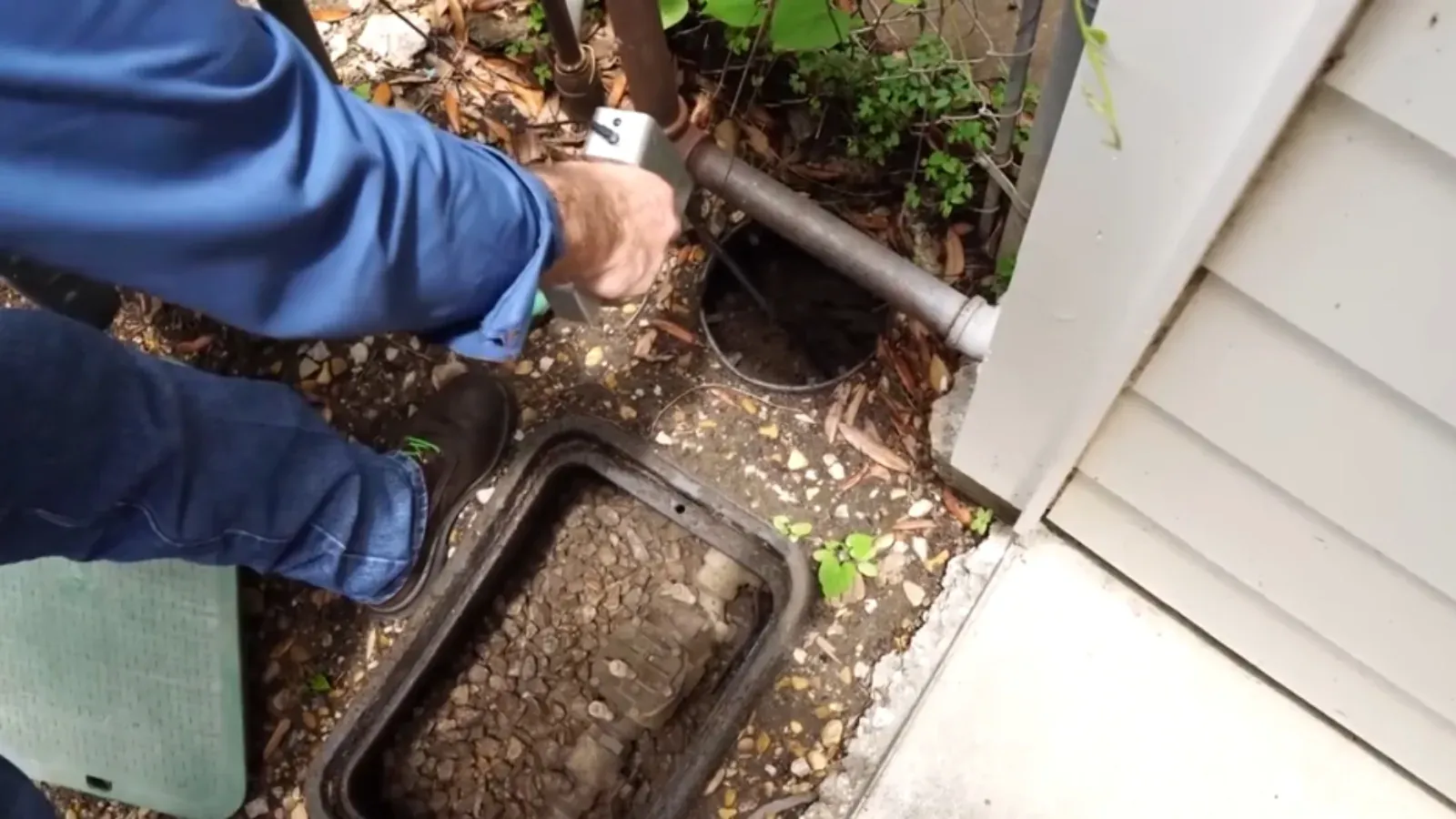
Why a water heater leak does so much damage
A tank holds 40 to 50 gallons, and the water supply behind it keeps feeding the leak until someone shuts it off. A heater in a closet or a garage can leak for days before anyone notices. A heater in an attic or upstairs closet can bring a ceiling down.
A leak detection system does not stop the tank from failing. It limits what the failure costs, by telling you early or closing the water.
Three kinds of protection
| Option | What it does | Limits |
|---|---|---|
| Water alarm or sensor | Sounds an alarm or sends a phone alert when water touches it | Warns only, someone has to respond |
| Drain pan with a drain line | Catches small leaks and carries them away | Overwhelmed by a big tank failure |
| Automatic shutoff valve | Closes the cold supply when a sensor gets wet | Needs power or batteries and a working valve |
The strongest setup combines them: a pan with a drain, a sensor in the pan and a shutoff valve that closes the water when the sensor triggers.
The California Plumbing Code, which is based on the Uniform Plumbing Code (UPC), calls for a drain pan under a water heater where a leak could cause damage, and a sensor adds a warning on top of that. What to do if the alarm sounds: shut the cold water valve above the tank, switch off the gas control or breaker and call a plumber. Do not touch the relief line, because it can discharge hot water.
Choosing and placing sensors
Put a sensor where water would collect first, on the floor next to the tank or in the pan. A sensor on the floor that is dry for months needs a battery check. Many models send a phone alert, which only helps if someone is home to read it, so pair it with an audible alarm.
A shutoff valve is more useful for a heater you cannot see often, such as one in an attic. It closes the water without anyone present. Test it twice a year by wetting the sensor, and exercise the valve to keep it from seizing.
Water heater leaking?
Call (626) 898-6169 any hour.
What it will not catch
A sensor only detects water that reaches it. A slow drip from a fitting above the tank may not. A relief valve that discharges through a drain pipe may not reach the floor. A leak in a wall behind the heater can also miss the sensor. Whole-house leak detection with flow monitoring covers more, but it is a bigger job. For hidden leaks elsewhere in the house, our leak detection page describes the survey.
Protection that matters in Temple City
Golden State Water's South San Gabriel system reported an average hardness of about 240 mg/L in 2025. Scale and corrosion shorten tank life, and a heater in hard water is more likely to fail late in its warranty, which is when a sensor pays off most.
California Health and Safety Code 19211 requires water heaters to be braced, anchored or strapped. A heater that has tipped in an earthquake can break its connections and release water, so straps and a sensor work together.
Temple City has many single-family houses with water heaters in garages or closets, and houses from the 1950s make up 30.6 percent of the stock. Many of those heaters sit in older closets without floor drains. A drain pan and a sensor are cheap protection in that setting, and our pages for Arcadia and Rosemead describe the same patterns nearby.
Putting a sensor and valve in
- 01
Choose the location
Place the sensor on the floor or in the pan at the lowest point near the tank.
- 02
Install the valve
Fit the automatic shutoff valve on the cold supply line to the heater, with room to reach it.
- 03
Connect and power
Pair the sensor with the valve and an audible alarm, and add batteries or power.
- 04
Test
Wet the sensor and confirm the alarm sounds and the valve closes, then reopen it.
Some valves are installed on the main water line to the house, which protects against any leak and not just the heater. That is a larger plumbing job and a good fit for a house that is often empty.
Keeping the system working
A protection system you never test is a system that may not work. Replace sensor batteries once a year and test the alarm and valve twice a year. Exercise the shutoff valve by closing and opening it, which keeps it from seizing.
Flush the tank yearly and check the relief valve and the connections for drips. If you replace the heater, move the sensor and valve to the new one. A small ongoing habit is worth far more than the cost of the gear.
Insurance, documentation and what to keep
Homeowner policies commonly cover water damage from a sudden leak and not the heater itself, and some insurers ask about protective devices. Keep receipts for sensors and valves, and photos of how they were installed. If a leak happens, photograph the damage before cleanup and keep the failed part and the heater's data plate.
A written note from the plumber describing what failed helps a claim. Ask your insurer whether a leak protection device affects your premium or your coverage terms, since practices vary.
If the tank does leak
Close the cold supply to the heater, turn off power or gas, and call. A leak from the tank body means the heater has failed, and our water heater replacement page explains how emergency swaps work. If the water comes from a fitting or valve, a repair may be enough.
Our emergency line is open around the clock at (626) 898-6169.
Questions Temple City homeowners ask
It is not required, but it is cheap protection, especially for a heater in an attic, closet or garage.
It closes the water when its sensor gets wet. It needs power or batteries and should be tested.
On the floor next to the tank, or in the drain pan, where water would collect first.
It catches small leaks and carries them away through a drain line. A full tank failure can overwhelm it.
Yes, with a drain line to a safe spot, and ideally a sensor and a shutoff valve.
Want a leak sensor on your heater?
Tell us where the tank sits and we will help you pick a sensor or shutoff that suits it. Call (626) 898-6169.